

Introduction
Dengue fever is a common illness in many tropical and subtropical regions. It spreads quickly, especially during rainy seasons. Because it can cause serious health problems, it is important to know the signs and ways to prevent it. In this guide, you will learn about dengue fever symptoms, causes, diagnosis, and how to prevent dengue. Staying informed helps protect you and your family.
What is Dengue Fever?
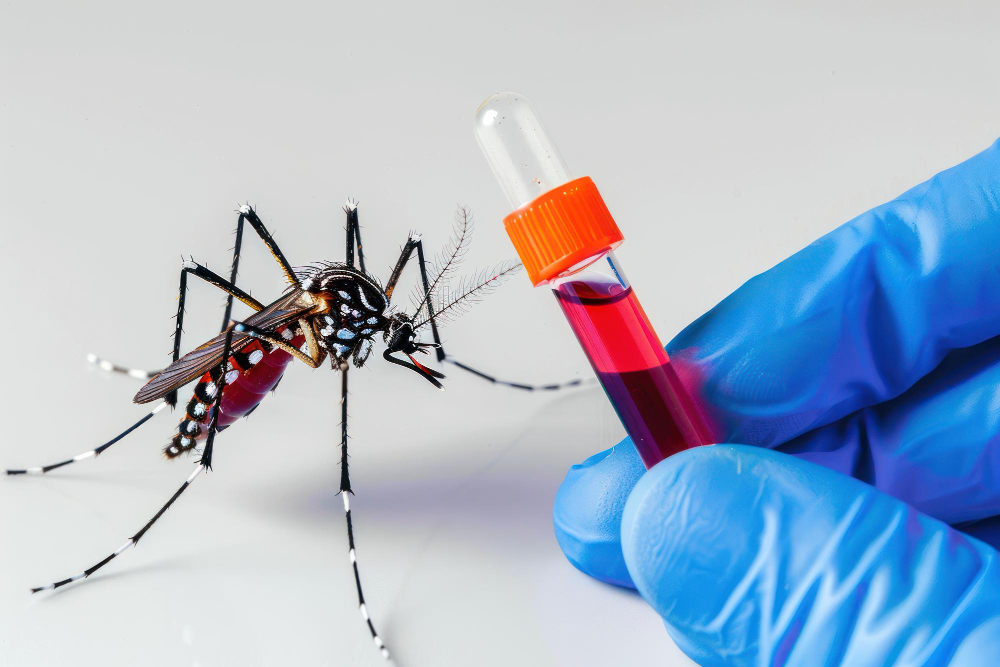
Dengue fever is a viral infection. It spreads through the bite of infected mosquitoes, mainly the Aedes aegypti species. The disease is found in over 100 countries, including parts of Asia, Africa, and the Americas. According to the World Health Organization (WHO), millions of people get dengue each year. While most cases are mild, some can become severe. Early care can lower the risk of serious problems.
Symptoms
Recognizing dengue fever symptoms early can help you get the right care. Usually, symptoms appear 4 to 10 days after a mosquito bite. However, not everyone has the same signs. Common symptoms include:
Sometimes, dengue can become severe, leading to dengue hemorrhagic fever or dengue shock syndrome. These are medical emergencies. If you notice severe stomach pain, trouble breathing, or bleeding, seek help right away.
Causes and Transmission
Dengue fever is caused by the dengue virus. There are four types of this virus. A person can get infected more than once. The virus spreads through the bite of an infected Aedes mosquito. These mosquitoes often bite during the day, especially early morning and late afternoon. They breed in standing water, like buckets, flower pots, or old tires. Because of this, dengue is more common in cities and areas with poor drainage. Traveling to high-risk locations can also increase your risk.
Diagnosis
Doctors use several methods for dengue diagnosis. First, they ask about your symptoms and recent travel. Next, they may order blood tests to check for the virus or antibodies. Early diagnosis helps prevent complications. If you have a high fever and live in or have visited a dengue-prone area, tell your doctor. Quick testing and care can make a big difference.
Treatment Options
There is no specific medicine to cure dengue fever. However, most people recover with proper care. Treatment focuses on relieving symptoms and preventing dehydration. Doctors may recommend:
Do not take aspirin or ibuprofen, as they can increase bleeding risk. In severe cases, hospital care may be needed. Doctors will monitor you closely and give fluids through a vein if needed.
Prevention Tips
Because there is no widely available vaccine for dengue, prevention is key. You can lower your risk by following these tips:
In addition, community clean-up drives help reduce mosquito breeding sites. If you live in or travel to high-risk areas, be extra careful.
Lifestyle Guidance
Living in a dengue-prone area means you need to stay alert. For example, check your home for places where water can collect. Teach children about mosquito safety. If you feel sick, rest and drink fluids. Also, avoid crowded places if you have a fever, as this helps prevent the spread of illness. Staying informed and prepared can help keep your family safe.
Conclusion
Dengue fever can be serious, but you can protect yourself with the right steps. Learn the symptoms, practice prevention, and seek medical help if needed. Early action saves lives. Consult doctors at Bakhetia Hospital if you suspect dengue fever or need personalized advice.