What is High Blood Pressure?
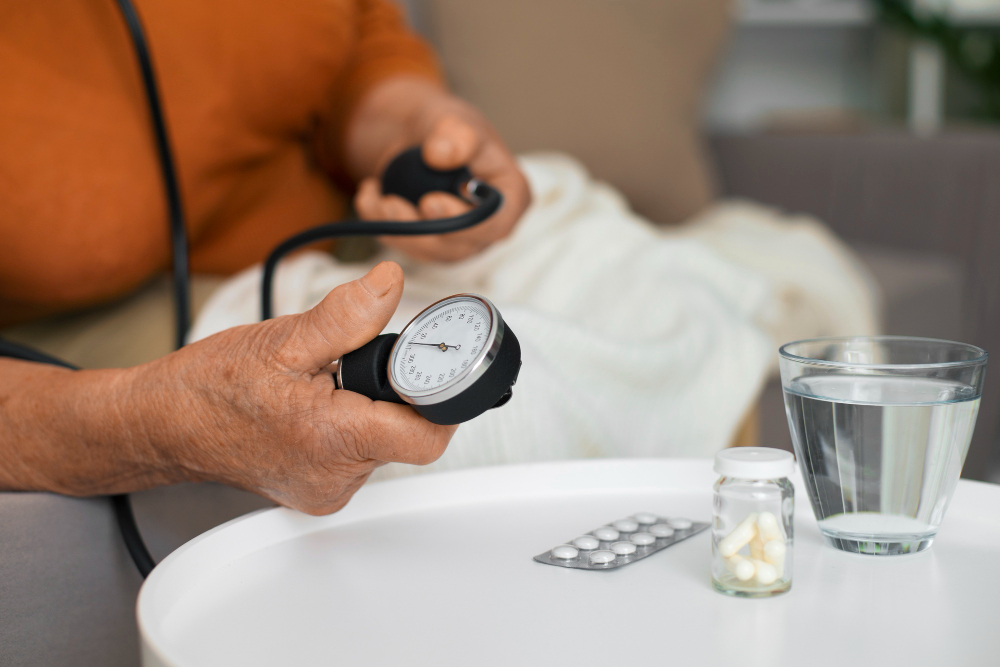
High blood pressure, also called hypertension, happens when the force of blood against your artery walls is too high. This condition can develop over many years. Often, people do not notice any signs. However, it can cause serious health problems if left untreated. According to the World Health Organization, high blood pressure is a leading cause of heart disease and stroke worldwide. Because it is so common, it is important to know about high blood pressure symptoms and how to prevent them.
Common Symptoms
Most people with high blood pressure do not feel sick. Still, some may notice signs when their blood pressure gets very high. For example, you might experience:
However, these symptoms can also be caused by other health issues. Because high blood pressure often has no clear signs, regular checks are important. Early detection helps prevent future problems.
Major Health Risks
High blood pressure can damage your body over time. For instance, it puts extra strain on your heart and blood vessels. This can lead to:
Additionally, people with high blood pressure are more likely to have other health issues, such as diabetes or high cholesterol. Because of these risks, it is important to manage your blood pressure well.
Prevention Tips
Thankfully, you can take steps to lower your risk. Here are some blood pressure prevention tips:
For example, walking for 30 minutes most days can help. In some areas, local parks or community centers offer free exercise classes. If you live in a city, try to walk or cycle instead of driving short distances. These small changes can make a big difference in how to prevent high blood pressure.
When to See a Doctor
Sometimes, you may need medical help. See a doctor if you:
Even if you feel fine, regular check-ups are important. Early treatment can prevent serious problems later. Your doctor can give you advice on how to manage your blood pressure and stay healthy.
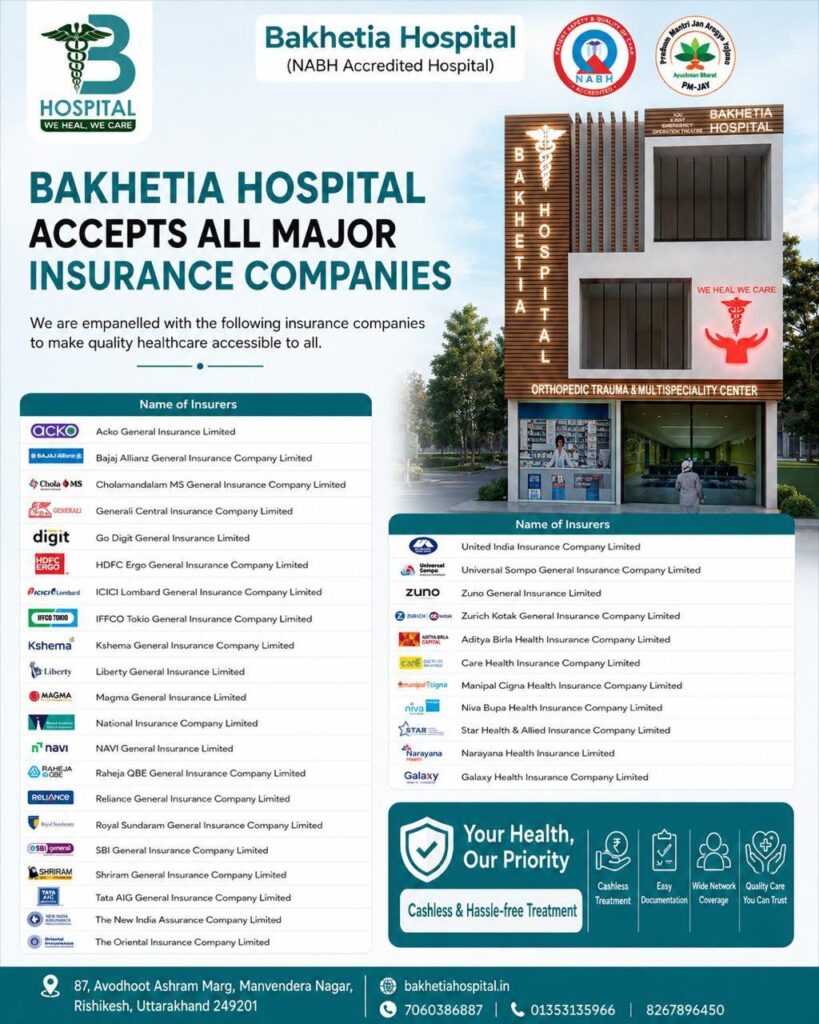
In summary, high blood pressure is a silent but serious health issue. However, with simple lifestyle changes and regular checks, you can lower your risk. Consult at Bakhetia Hospital for personalized advice on managing high blood pressure.