

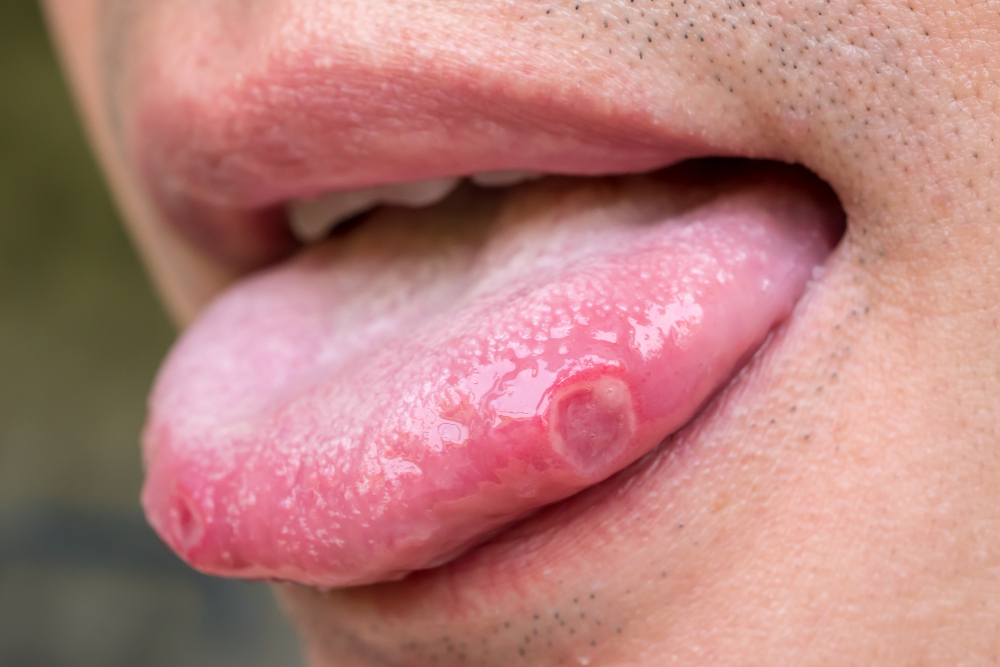
What Are Oral Ulcers?
Oral ulcers are small, painful sores that form inside the mouth. They are also called mouth sores or canker sores. Often, these ulcers appear on the inside of the cheeks, lips, or under the tongue. While most oral ulcers are not dangerous, they can cause discomfort when eating or talking. In many cases, oral ulcers heal on their own within one to two weeks. However, some people may get them often or have larger sores that last longer.
Common Symptoms of Oral Ulcers
Usually, oral ulcers start as red or white spots in the mouth. Soon after, they may become open sores. For example, you might notice:
Because symptoms can vary, it helps to watch for changes in the mouth. If a sore lasts longer than two weeks, it is important to see a dentist or doctor.
Causes and Risk Factors of Oral Ulcers
Many things can cause oral ulcers. For instance, minor injuries from biting the cheek or brushing too hard are common triggers. In addition, stress or certain foods may lead to mouth sores. Some common causes and risk factors include:
Because oral ulcers can have many causes, it is helpful to track what may trigger them for you. According to the World Health Organization, most mouth sores are not linked to serious illness. Still, frequent or severe ulcers may need medical attention.
How Oral Ulcers Are Diagnosed
Doctors and dentists usually diagnose oral ulcers by looking at the sores. First, they will ask about your symptoms and medical history. Next, they may check for other signs, such as fever or swollen glands. Sometimes, if the cause is unclear, blood tests or a small tissue sample (biopsy) may be needed. This helps rule out infections or other health problems. Because most mouth sores heal quickly, extra tests are not always needed.
Treatment Options for Oral Ulcers
Most oral ulcers heal without treatment. However, some people need help to ease pain or speed up healing. For example, common oral ulcer treatment options include:
In rare cases, a doctor may prescribe stronger medicines if the sores are severe or keep coming back. In some cities, you can find clinics that offer oral ulcer treatment for ongoing problems. Always follow your healthcare provider’s advice for the best results.
Tips for Managing and Preventing Oral Ulcers
There are simple steps to help manage and prevent mouth sores. For instance, you can:
Because prevention is key, these habits can lower your risk of getting canker sores. If you need more advice on how to prevent oral ulcers, your dentist or doctor can help. In many cases, simple changes make a big difference in oral health.