What Is a Hernia?
A hernia happens when an organ or tissue pushes through a weak spot in the muscle or tissue wall. Most often, hernias appear in the belly or groin area. While some hernias are small and painless, others can cause discomfort. Hernia repair surgery is a common treatment to fix this problem and prevent further issues.
Symptoms and When to Seek Help
Hernias can show different signs. However, not everyone will notice symptoms right away. You should watch for these common signs:
If you notice sudden pain, redness, or vomiting, seek medical help right away. These can be signs of a serious problem, such as a trapped hernia.
Causes and Risk Factors
Hernias can develop for many reasons. For example, weak muscles from birth or strain over time can lead to hernias. Some common causes and risk factors include:
While anyone can get a hernia, men are more likely to develop certain types, such as inguinal hernias.
Diagnosis of Hernias
Doctors can often diagnose a hernia during a physical exam. Still, sometimes they may order tests to confirm the diagnosis. These tests may include:
With these tests, doctors can see the size and location of the hernia. This helps them plan the best treatment.
Overview of Hernia Repair Surgery
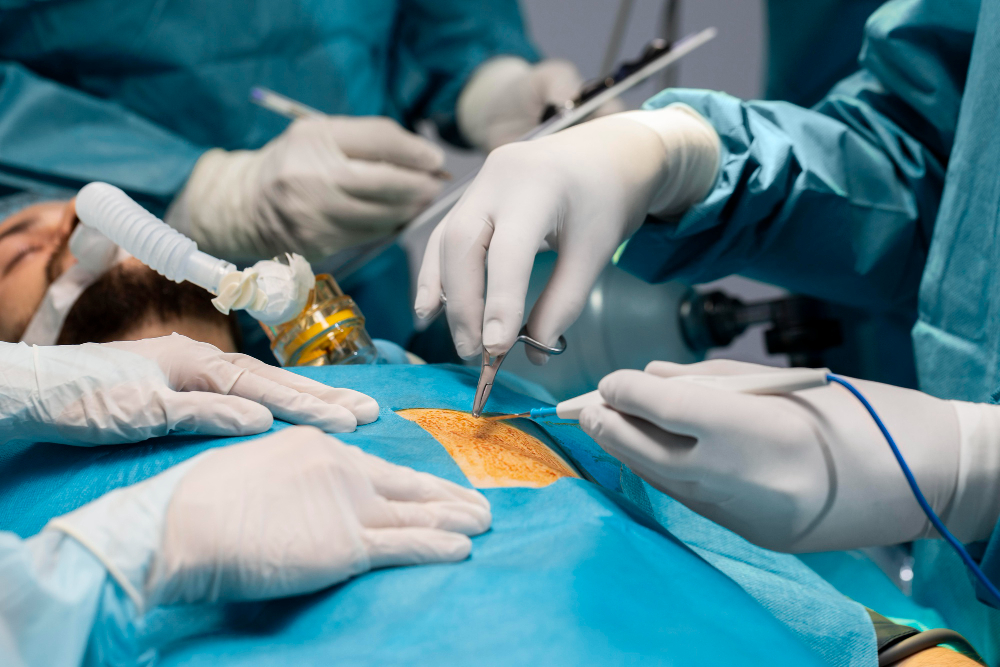
Hernia repair surgery is the main treatment for most hernias. The goal is to push the tissue back in place and strengthen the weak spot. There are two main types of hernia repair surgery:
Doctors will choose the best type based on the hernia’s size, location, and your health. According to the CDC, hernia repair surgery is safe and effective for most people.
Recovery and Aftercare
After hernia repair surgery, most people go home the same day. However, recovery time can vary. Here are some tips for a smooth recovery:
Most people feel better within a week or two. Still, always check with your doctor before resuming exercise or work.
Prevention Tips and Lifestyle Guidance
While not all hernias can be prevented, you can lower your risk. For example, you can:
By making these changes, you can help protect your body from future hernias.
Frequently Asked Questions
Conclusion
Hernia repair surgery is a safe and effective way to treat hernias. If you notice symptoms or have concerns, talk to your doctor. Early treatment can help you avoid complications and return to your normal life.
Consult Bakhetia Hospital for personalized advice on hernia repair surgery.