

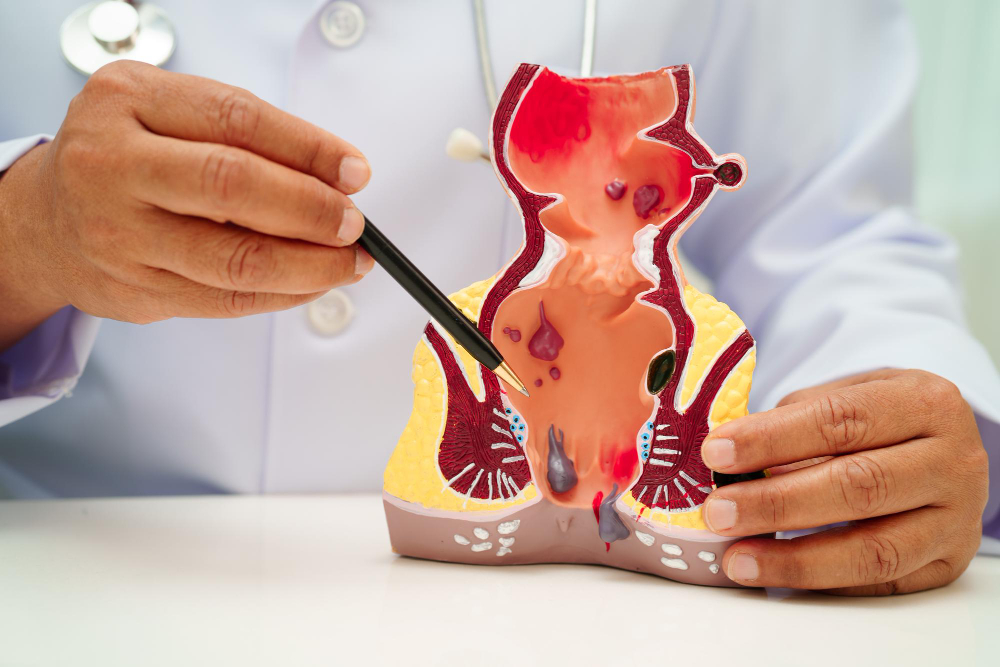
Anal fistula care is important for anyone dealing with this painful condition. An anal fistula is a small tunnel that forms between the skin near the anus and the inside of the anus. Early care can help prevent problems and improve healing. In this blog, you will learn about anal fistula symptoms, causes, diagnosis, treatment, and how to care for anal fistula at home. Understanding anal fistula care can help you make better choices for your health.
What is an Anal Fistula?
An anal fistula is a narrow tunnel that connects the inside of the anus to the skin around it. Usually, it forms after an infection near the anus. The infection creates a small pocket of pus called an abscess. Sometimes, the abscess does not heal fully and leaves a tunnel behind. This tunnel is the fistula. Anal fistulas do not heal on their own and often need medical care.
Common Symptoms of Anal Fistula
Recognizing anal fistula symptoms early can help you get the right treatment. Some signs are easy to notice. However, others may be mild at first. Watch for these common symptoms:
If you notice any of these signs, it is important to seek medical advice. Early care can prevent further problems.
Causes and Risk Factors
Many things can lead to an anal fistula. Most often, it starts with an infection in a small gland inside the anus. This infection can form an abscess. If the abscess does not heal well, a fistula may develop. Other causes and risk factors include:
Knowing these risk factors can help you understand your chances of developing an anal fistula.
How Anal Fistula is Diagnosed
Doctors use several steps to diagnose an anal fistula. First, they will ask about your symptoms and medical history. Next, they will do a physical exam of the anal area. Sometimes, the doctor may use a gloved finger to feel for the fistula. In some cases, special tests are needed. These may include:
Accurate diagnosis helps doctors choose the best anal fistula treatment for you.
Treatment Options for Anal Fistula
Anal fistula treatment depends on the size and location of the fistula. Most fistulas need surgery to heal. However, your doctor will discuss the best option for you. Common treatments include:
After surgery, proper care is key for healing. Always follow your doctor’s advice for the best results.
Home Care and Lifestyle Tips
After treatment, good home care can speed up recovery. Here are some tips on how to care for anal fistula at home:
With these steps, you can help prevent infection and support healing.
Prevention Strategies
While not all anal fistulas can be prevented, some steps may lower your risk. Consider these prevention tips:
By following these steps, you can reduce your chances of developing an anal fistula.
When to See a Doctor
It is important to know when to seek medical help. See a doctor if you notice:
Early treatment can prevent serious problems. For those seeking anal fistula care in your city, look for a specialist with experience in treating this condition.
In summary, anal fistula care is important for your health and comfort. If you have symptoms or concerns, consult a specialist at Bakhetia Hospital, Rishikesh, Uttarakhand for personalized guidance on anal fistula care.