

Introduction
Diabetic foot is a common complication of diabetes. It can lead to serious problems if not managed early. Many people with diabetes develop foot issues due to nerve damage and poor blood flow. Because of this, awareness about diabetic foot is very important. Early care can help prevent severe complications. In this blog, you will learn about diabetic foot symptoms, causes, diagnosis, treatment, and prevention. Understanding these points can help you protect your feet and health.
What is Diabetic Foot?
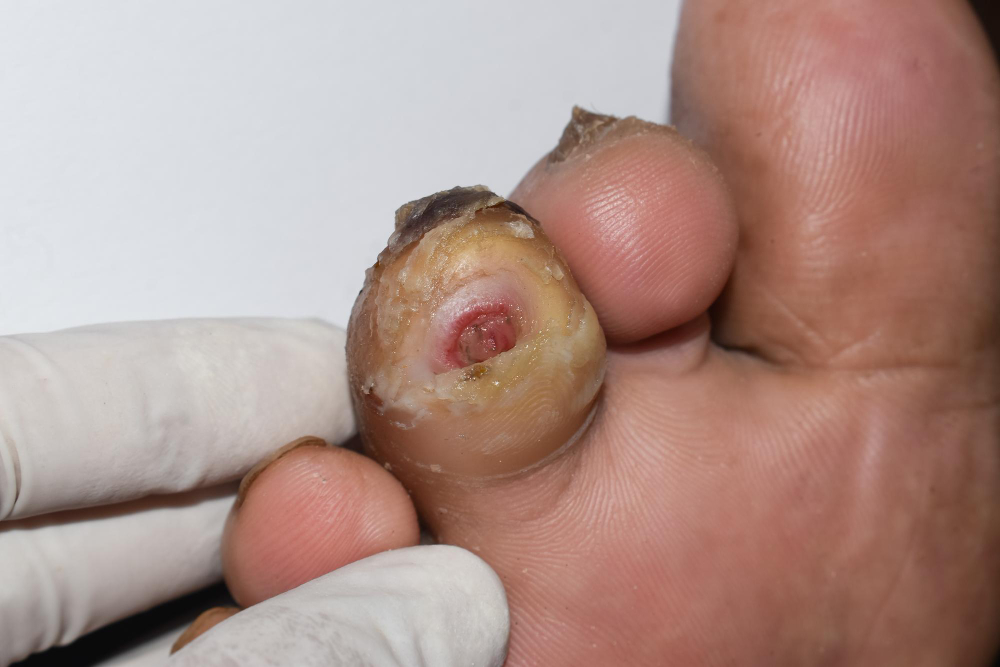
Diabetic foot refers to foot problems that happen because of diabetes. Often, high blood sugar levels damage nerves and blood vessels in the feet. As a result, people may not feel pain or injuries. Sometimes, small cuts or blisters can turn into serious wounds. In severe cases, infections may develop and lead to more serious issues. Therefore, diabetic foot care is very important for people with diabetes.
Symptoms of Diabetic Foot
Recognizing diabetic foot symptoms early can help prevent complications. Watch for these signs:
If you notice any of these symptoms, seek medical help right away. Early treatment can stop the problem from getting worse.
Causes and Risk Factors
Several factors can cause diabetic foot complications. High blood sugar over time damages nerves (called neuropathy) and blood vessels. Because of this, the feet may not get enough blood. Also, nerve damage makes it hard to feel pain or injuries. Other risk factors include:
For these reasons, regular foot checks are important for people with diabetes.
Diagnosis of Diabetic Foot
Doctors use several methods to diagnose diabetic foot problems. First, they will ask about your symptoms and medical history. Next, they will examine your feet for wounds, swelling, or changes in color. Sometimes, they may check how well you can feel touch or temperature. In addition, tests like X-rays or blood tests may be used to check for infections or bone problems. Early diagnosis helps prevent serious complications, so regular check-ups are important.
Treatment Options
Treatment for diabetic foot depends on the problem’s severity. Common treatments include:
Always follow your doctor’s advice for the best results. Early treatment can save your foot and prevent further problems.
Prevention Tips
Preventing diabetic foot complications is possible with good care. Try these tips:
By following these steps, you can lower your risk of foot problems.
Lifestyle Guidance for Diabetic Foot Care
Living with diabetes means taking extra care of your feet. For example, always wear shoes that protect your feet from injury. In addition, avoid smoking, as it reduces blood flow to your feet. Eating a balanced diet and staying active can help control your blood sugar. If you notice any changes in your feet, contact your doctor right away. Remember, early action can prevent serious complications. According to the CDC and WHO, regular foot care is key for people with diabetes.
Conclusion
Diabetic foot is a serious complication, but you can prevent many problems with good care. Always check your feet, control your blood sugar, and see your doctor for regular exams. Consult Dr. Vikas Kas at Bakhetia Hospital for personalized guidance on diabetic foot care.