Introduction to Diagnostic Endoscopy
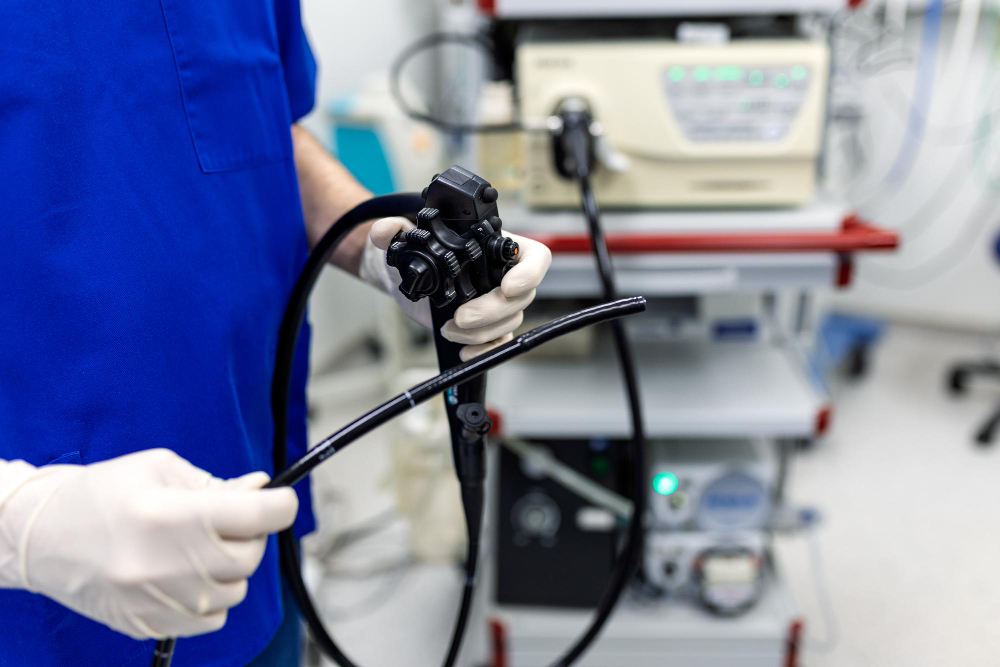
Diagnostic endoscopy is a common medical procedure. Doctors use it to look inside your body with a thin, flexible tube called an endoscope. This tool has a light and camera, so doctors can see clear images. Many people have questions about what to expect from endoscopy. This guide will explain the diagnostic endoscopy procedure, its benefits, safety, and how to prepare.
What Is Diagnostic Endoscopy?
During a diagnostic endoscopy, a doctor gently inserts the endoscope through your mouth or another opening. The goal is to check for problems inside your body, such as in your stomach or intestines. Sometimes, doctors use endoscopy to take small tissue samples for testing. This helps find the cause of symptoms like pain or bleeding.
Common Reasons for Undergoing Diagnostic Endoscopy
Doctors may suggest a diagnostic endoscopy for several reasons. For example, you may need it if you have:
In many cases, endoscopy helps find the cause of these symptoms quickly. It can also help rule out serious conditions.
Preparation Steps Before the Procedure
Proper preparation is important for a safe and smooth diagnostic endoscopy. Your doctor will give you clear instructions. Usually, you should:
Sometimes, you may need to stop certain medicines before the test. Always check with your doctor first.
What Happens During the Diagnostic Endoscopy Procedure?
On the day of your endoscopy, you will check in at the clinic or hospital. First, a nurse may give you a mild sedative to help you relax. Next, you will lie on your side. The doctor will gently insert the endoscope. You may feel some pressure, but it should not hurt. The camera sends images to a screen, so the doctor can look for any problems. Most procedures take 15 to 30 minutes. Afterward, you will rest until the sedative wears off.
Benefits and Advantages of Diagnostic Endoscopy
Diagnostic endoscopy offers many benefits. For instance, it helps doctors:
Because endoscopy is less invasive than surgery, recovery is usually fast. According to the CDC, most people return to normal activities the next day.
Safety, Risks, and Possible Side Effects
Diagnostic endoscopy is considered very safe. However, like any procedure, there are some risks. For example, you may have:
Most side effects are mild and go away quickly. The World Health Organization notes that serious problems are rare, especially when trained doctors perform the procedure.
Recovery and Aftercare Tips
After your endoscopy, you will spend some time in a recovery area. Here are some helpful aftercare tips:
If you feel unwell or notice unusual symptoms, contact your doctor right away.
When to Consult a Doctor
Most people recover quickly after a diagnostic endoscopy. However, you should call your doctor if you have:
Early care can help prevent serious problems.
Conclusion
In summary, diagnostic endoscopy is a safe and helpful test. It allows doctors to find and treat problems early. With proper preparation and aftercare, most people have a smooth experience. If you have questions about the diagnostic endoscopy procedure or endoscopy safety, consult a specialist at Bakhetia Hospital for personalized advice about diagnostic endoscopy.