

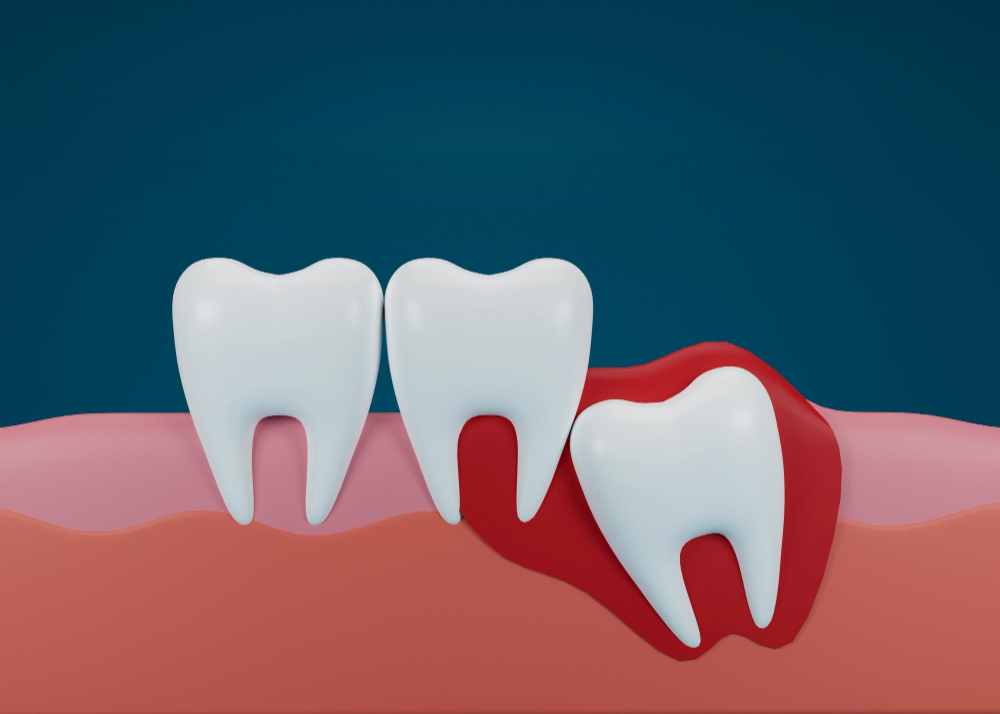
What Is a Wisdom Tooth?
Many people have heard about the wisdom tooth, but not everyone knows what it is. A wisdom tooth is the last set of molars that grows at the back of your mouth. Usually, these teeth appear between ages 17 and 25. However, some people may never get them. For some, wisdom teeth come in without any problems. But for others, they can cause pain or crowding. In many cases, dentists call these teeth “third molars.”
Common Symptoms of Wisdom Tooth Problems
Sometimes, wisdom teeth do not grow in the right way. As a result, you may feel discomfort. Here are some common wisdom tooth symptoms to watch for:
Often, these signs mean your wisdom tooth may be impacted or infected. If you notice these symptoms, you should see a dentist soon.
Causes of Wisdom Tooth Issues
Wisdom tooth problems can happen for several reasons. First, there may not be enough space in your mouth. Because of this, the tooth can get stuck under the gum. Dentists call this an “impacted” wisdom tooth. In addition, wisdom teeth may grow at an angle. This can push against other teeth and cause pain. Sometimes, food and bacteria get trapped around a wisdom tooth. As a result, this can lead to infection or gum disease. According to the CDC, poor oral hygiene can also increase your risk of wisdom tooth pain.
How Wisdom Teeth Are Diagnosed
If you have wisdom tooth pain, your dentist will check your mouth. Usually, they will ask about your symptoms. Next, they may take an X-ray to see the position of your wisdom teeth. X-rays help dentists find out if the teeth are impacted or causing problems. Sometimes, your dentist may refer you to a dental specialist for further care. Early diagnosis can help prevent serious issues.
Treatment Options for Wisdom Tooth Problems
Treatment depends on your symptoms and the position of your wisdom tooth. Here are some common options:
According to the American Dental Association, wisdom tooth extraction is a common and safe procedure. However, you should always follow your dentist’s advice about when to remove wisdom teeth.
Tips for Wisdom Tooth Care and Prevention
Taking care of your wisdom teeth can help prevent problems. Here are some helpful tips:
Sometimes, even with good care, wisdom tooth issues can happen. Therefore, early action is important.
In summary, wisdom tooth problems are common but treatable. If you notice pain or swelling, do not wait. Consult Dental Specialist Dr. A. Bakhetia at Bakhetia Hospital for personalized advice about your wisdom teeth.