

What is a Lipoma?
A lipoma is a soft, fatty lump that grows under your skin. Many people worry when they find a lump, but most lipomas are harmless. However, some people choose lipoma removal for comfort or cosmetic reasons. Lipomas are not cancer. They usually grow slowly and do not spread to other parts of the body. Most often, lipomas appear on the neck, shoulders, back, arms, or thighs.
Common Symptoms of Lipoma
Although lipomas are usually painless, they can cause discomfort in some cases. For example, if a lipoma presses on nerves or grows near a joint, you may feel pain. Here are common signs of a lipoma:
Sometimes, people notice more than one lipoma. If you see a new lump or if an old one changes, it is wise to see a doctor.
Causes and Risk Factors
Doctors do not know the exact cause of lipomas. However, some factors may increase your risk. For instance, lipomas can run in families. This means genetics may play a role. In addition, adults between 40 and 60 years old are more likely to develop lipomas. Other risk factors include:
Even though these factors may raise your risk, most people with lipomas have no clear cause.
How Lipomas are Diagnosed
Doctors can often diagnose a lipoma with a simple exam. First, your doctor will feel the lump and ask about your symptoms. Sometimes, they may order tests to confirm the diagnosis. For example, an ultrasound or MRI can show if the lump is a lipoma or something else. In rare cases, a doctor may take a small sample of tissue, called a biopsy, to rule out other problems. According to the CDC, most lipomas do not need further testing unless they look unusual or grow quickly.
Lipoma Removal: Surgical and Non-Surgical Options
Many people wonder how to remove a lipoma. Lipoma removal is usually not needed unless the lump is painful, growing, or bothersome. However, some choose removal for cosmetic reasons. There are several treatment options:
Surgical Removal
Non-Surgical Options
Although non-surgical options exist, surgery is the most effective way to remove a lipoma. Always discuss the best lipoma treatment options with your doctor.
Recovery and Aftercare Tips
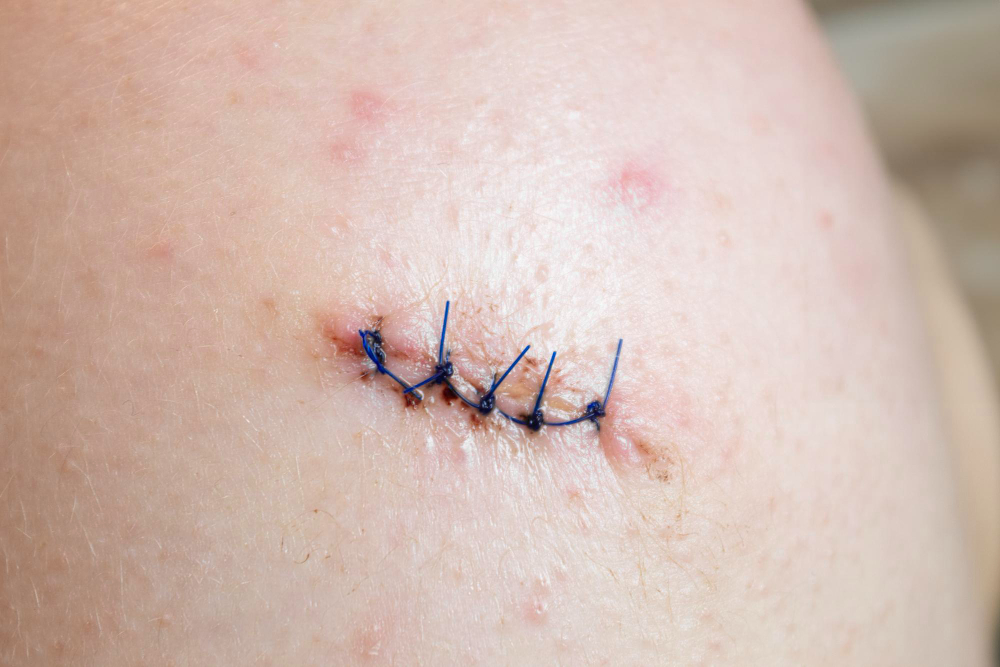
After lipoma removal, most people recover quickly. For example, you may go home the same day. Here are some tips to help you heal:
Most people return to normal activities within a few days. However, always contact your doctor if you notice problems.
Prevention and When to See a Doctor
There is no sure way to prevent lipomas. Since the cause is not clear, prevention is difficult. However, you should see a doctor if:
Early diagnosis helps rule out other conditions. According to the World Health Organization, most lipomas are harmless, but it is always best to get checked.
Conclusion
In summary, lipoma removal is safe and effective for most people. If you have a lump that worries you, do not wait. Consult Bakhetia Hospital for personalized guidance on lipoma removal.